
Why Health Care Real Estate
Investing In Medical Real Estate
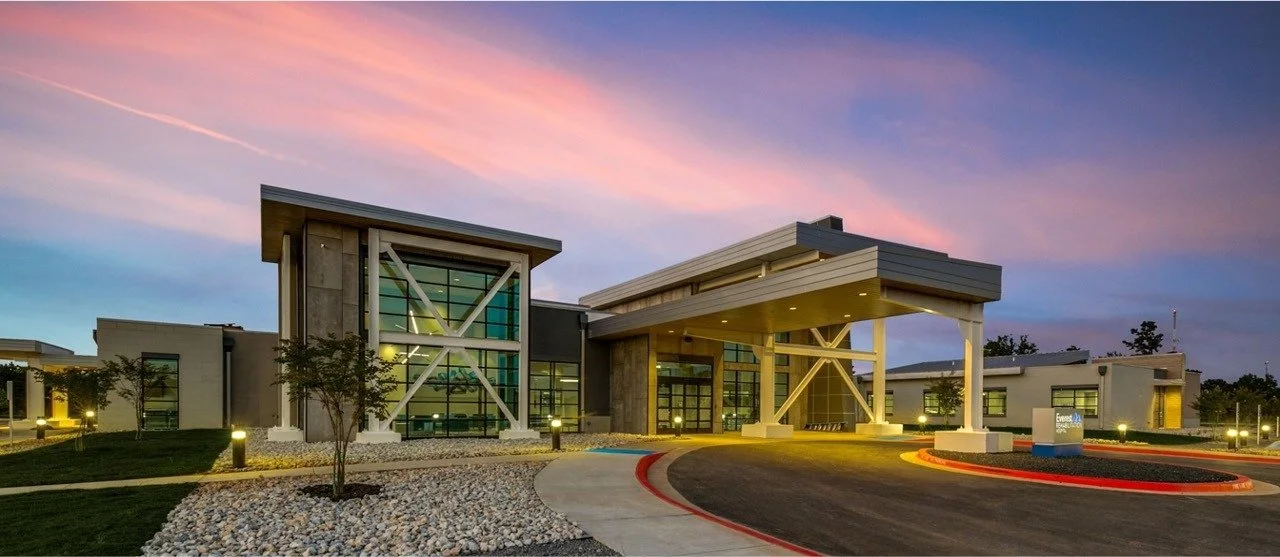
Healthcare real estate is a specialized asset class supported by long-term structural demand. Unlike traditional commercial real estate sectors, medical properties are generally driven by essential healthcare delivery rather than discretionary consumer activity. The continued shift of care into outpatient settings, combined with aging demographics and growing healthcare utilization, has increased investor focus on purpose-built medical facilities anchored by established healthcare operators. Healthcare real estate has historically demonstrated resilience through market cycles, supported by the mission-critical nature of healthcare services.
For advisors, healthcare real estate may serve as a differentiated component within a broader real asset allocation, particularly when supported by credit-oriented tenancy and institutional execution.
Key Sector Characteristics:
✓ Needs-based tenant demand
✓ Outpatient care expansion
✓ Mission-critical real estate usage
✓ Specialized operational and regulatory complexit
Why Healthcare Tenancy Is Different
These tenancy characteristics help support long-term occupancy and alignment in healthcare real estate portfolios.

Specialized Buildouts
Healthcare tenants require highly customized, purpose-built clinical space, which are complex and expensive to replicate elsewhere.

Tenant Capital Commitment
Medical operators typically invest significant capital into tenant improvements, equipment, and long-term buildouts with operational needs such as parking areas, patient flow and access that can create location value beyond typical space.

Mission-Critical Use
Healthcare facilities are essential to ongoing patient care delivery and support needs-based services. Lease structures often align income with demand.
Support for Long-Term Healthcare Real Estate Demand
$1.4T
Annual Physician & Clinical Spending Projected Over Next 30 Years
11,000
People Turn 65 Every Day
14M+
Growth in the 65+ Population by 2035
7.1
Avg. Annual Physician Visits for Ages 65+
Source: Marcus & Millichap. Healthcare Real Estate: 2026 Investment Outlook. December 2025.
Why Investors Allocate to Medical Office
Healthcare spending is projected to outpace GDP between 2023 and 2032. Nationally, healthcare will drive nearly half of all new jobs. Healthcare is projected to account for 40% of all U.S. job creation from 2024 to 2034. The healthcare sector needs 2M+ new workers, implying an 8.4% growth rate over the decade.
In addition to macro demographic shifts due to a massive aging population, other reasons to consider healthcare real estate investment include:
✓ Portfolio diversification
✓ Historically consistent performance
✓ Distinct market dynamics
✓ Demand tied to healthcare delivery rather than discretionary spending; operating and credit drivers may differ from traditional office and retail sectors.
✓ Historically consistent rent collections through recent market disruptions, including COVID.
✓ Supply growth may be moderated by reduced construction starts in some markets.
✓ Medical office buildings (MOBs) have at times traded at premiums to traditional office space.
✓ Cap rates and replacement costs often reflect specialized clinical buildouts.
Medical Office Space Construction Slows
New medical office starts decreased from 4.2 million square feet in 2020 to 945,000 square feet in Q3 2025. Medical office under construction decreased from 17 million in mid-2022 to 9.5 million in Q3 2025.
Healthcare Job Growth
Nationally, healthcare is projected to account for 40% of all U.S. job creation from 2024 to 2034. The healthcare sector needs 2M+ new workers, implying an 8.4% growth rate over the decade.
Sources: Marcus & Millichap, Healthcare Real Estate: 2026 Investment Outlook, December 2025; Centers for Medicare & Medicaid Services (CMS), Office of the Actuary, National Health Expenditure Projections, 2023–2032. Past performance is not a guarantee of future results.